
Great themes of festivals set the whole tone for your gathering. From city-wide tourism events and brand launches to small community meet-ups, your choice of festival themes directly shapes how guests experience the day. Not sure where to start with your own plans? Let’s look at key tips and theme inspirations below.
How to Choose the Perfect Festival Theme?
Ask a few simple questions to narrow your choices and find what works. Think over these points before you settle on your final festival theme ideas.
- Consider Your Event Purpose and Audience: Start by clarifying your goals and target guests. Government-led tourism events focus on city exposure and visitor volume. Brand-hosted events highlight brand identity. Community gatherings value neighbour connection. Different age groups and interests respond to totally different festival themes. A youth-focused electronic music event and family-friendly carnival follow very different design paths.
- Match the Theme With Your Venue: Next, confirm venue conditions, as they set hard limits for possible festival themes. Beach locations fit seaside-style concepts, old-town streets work well for culturally focused plans, and open lawns can hold large stages and tents. Noise limits, power shortages, or height restrictions can rule out certain ideas. Confirm the venue’s practical details before settling on festival themes; never select a theme before securing your venue.
- Make Sure the Theme Fits the Whole Experience: A strong festival theme is far more than a simple title. It should show through every part of your event. Decor, stage builds, food stalls, games, and staff outfits all need to align. If your festival themes only appear on event backdrops, guests will notice a disjointed experience. Picture the full attendee journey and check if your chosen idea can deliver one consistent story from start to finish.
Popular Festival Theme Ideas for Your Next Event
Once you confirm your core goals, you can explore real-world festival themes. Here are some ideas to give you practical inspiration. These widely used directions cover art, culture, entertainment, food, seasons, wellness, and sports. Review each option to find what fits your event.
Art Festival Theme
Art-based festival themes cover many formats, with music festivals being one of the most popular choices. Large outdoor music festivals and small indie shows attract young audiences. They suit city tourism teams, music and entertainment companies, and brands looking for more visibility. You can also add theatre performances, film screenings, painting displays, photography exhibits, and craft markets.
Community or campus events can showcase local creators and student art. Official tourism events may invite well-known artists to lift the city’s cultural appeal.

Cultural Festival Theme
Cultural festival themes draw from ethnic, regional or neighbourhood traditions. You can build themes around minority heritage, local intangible heritage, community customs or global cultural displays. These events work well for government culture departments, tourism offices, schools and local communities. Core goals include cultural preservation, social connection, and shared group identity. Usable activities include traditional performances, craft demos, cultural talks, hands-on folk sessions, and local speciality food.
Unlike art-focused themes, cultural-driven themes put heritage and community belonging first, with food as a cultural bridge rather than the supporting element.
Entertainment Festival Theme
Entertainment-style festival themes centre on light-hearted fun and relaxation. You can organise circus shows, carnival rides, fair-style activities and street performances.
These options draw mixed-age crowds and fit family events, community meets, brand pop-ups, or even a private festival themed party. Possible content includes acrobatics, magic shows, clown interactions, game booths and street artist sets. Unlike art festivals, entertainment festivals don’t aim for deep meaning. They’re simply about guest enjoyment and stress relief.
Food & Beverage Festival Theme
Food-centred festival themes drive visitor spending effectively. Beer, barbecue, burger-focused and coffee-market events build around specific food or drink items. They bring vendors and hungry guests together. Tourism boards, shopping centres and catering associations adopt these themes to boost foot traffic. You can host food tastings, cooking demos and live music. Cultural-based festival themes may serve food too, yet food-led festival themes make eating the core guest experience.
Seasonal Festival Theme
Season-linked themes for a festival follow natural yearly cycles. Spring flower events, summer beach gatherings, autumn harvest markets and winter snow-themed activities match their respective seasons.
Tourism teams and scenic spots use these themes to draw in visitors. Pair local seasonal scenery with matching hands-on activities. Season-based festival themes are simple to promote and repeat year-over-year, though outdoor set-ups require bad-weather backup plans.
Sports Festival Theme
Sports-based festival themes revolve around athletic participation. Football tournaments, basketball leagues, running carnivals and extreme-sports showcases fall under this category. Communities, schools and brands use these festival themes to encourage physical activity.
Activities include official matches, casual fun sports and athletic meet-and-greet sessions. Sports-driven themes highlight competition and clear game rules. Brands deploy them for team building, while official departments support public fitness campaigns.
Wellness Festival Theme
Wellness-centred festival themes focus on physical and mental rest. Common activities include yoga, meditation, fitness classes and sauna-based relaxation. These festival themes appeal to city office workers and health-focused guests. Unlike sports-oriented festival themes, wellness-led festival themes avoid competitive elements. Their main aim is guest relaxation and improved daily quality of life.
How to Bring Your Festival Theme to Life?
Selecting great festival themes is only the first step. Getting it right turns your concept into a real guest experience. Work through these practical points to make it happen.
- Combine Different Themes: You do not have to stick to just one theme. Thoughtful combinations often deliver better results. A summer music event mixes seasonal and music-focused ideas. A food-and-culture gathering blends taste-based and heritage-rooted elements. Keep one clear main thread, so mixed elements support your core vision instead of creating chaos.
- Create a Theme-Based Event Layout: Design your event space around your chosen festival themes. Split grounds into interactive zones, performance spaces, dining sections, vendor booths and rest spots. Decor and visitor flow in every zone should align with festival themes. Music-focused themes need clear sightlines to the stage. Food-focused themes need well-ventilated dining areas and orderly queue space.
- Make the Most of Decorations and Visual Elements: Colours, lighting, signage and installations build atmosphere for your festival themes. After locking in festival themes, choose a unified primary colour palette. Keep visuals consistent from entry arches down to vendor-stall signs. Lighting quickly shifts venue mood, and signage works for navigation while reinforcing festival themes.
- Plan Interactive Activities Around Your Theme: Passive watching leaves weak impressions. Design games, contests, live demos, and DIY workshops around your festival themes to boost engagement and keep people around longer. For cultural themes, run craft sessions. For food themes, host mini cooking classes. For sports themes, arrange light-hearted challenge matches. These festival activities turn passive viewers into active participants.
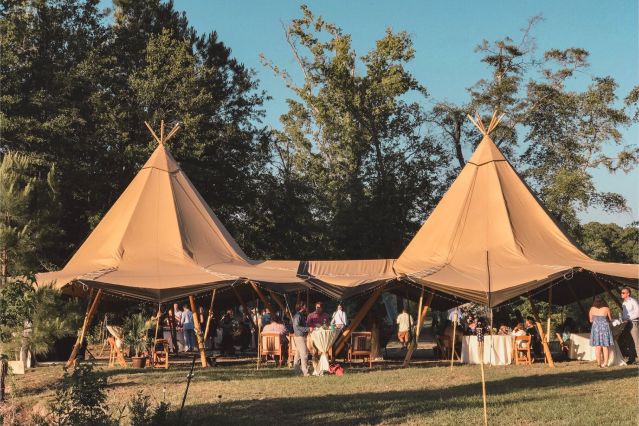
- Choose the Right Temporary Structures and Facilities: Outdoor events depend on reliable temporary equipment to support your festival themes. You need to plan stages, tents, display racks, furniture, entry arches and portable restrooms well ahead of time. Both Nordic tipis and stretch tents are popular festival tent choices. Nordic tipis create a strong atmosphere for VIP or dining zones. Stretch tents adapt to uneven ground and offer solid shade and rain protection. Good temporary festival structures meet practical needs and become part of your festival themes.
Conclusion
Different festivals themes shape atmosphere and attendance. A well-chosen theme creates lasting memories, but only if the space supports it. So before finalising your festival plans, rely on Glitzcamp. We offer tailor-made tents and flexible tent rentals to have your layout set well ahead of time.

FAQs About Festival Themes
How much does it cost to create a festival theme?
Total costs vary heavily based on event scale and production needs. According to Eventbrite, venue rental can range from $10,000-$250,000, while production costs may reach $25,000-$300,000 and marketing $10,000-$100,000. Use these figures as rough references, then split your budget between venue infrastructure, on-site content, marketing, and other event expenses.
How far in advance should I plan a festival?
It depends on event size. Small casual gatherings need several weeks’ lead time. Mid-size events require six to eight weeks. Large-scale events with hundreds or thousands of guests need multiple months of advance work. Book venues and suppliers even earlier during peak event seasons.
How do I choose a festival venue that fits my theme?
Start by checking practical venue specs including capacity, power supply, noise limits and transport access. Next, check whether the venue’s natural character matches your festival themes. Beach sites suit beach-style festival themes, old-town districts fit cultural-rooted festival themes, and open lawns work for music-focused festival themes. Always complete an on-site visit to check weather backup and emergency exit access.
What are the biggest challenges when organizing a festival?
Weather risks and on-site safety sit as top challenges for outdoor events built around festival themes. You need solid shelter and evacuation plans for rain, high heat, or strong wind. Multi-vendor coordination, budget overruns, and visitor-flow management also create common pain points. Early thorough planning works better than last-minute emergency fixes.


